Quick summary
What to do first
For everyday subway and bus use, most visitors need a stored-value transport card habit more than a complicated pass strategy. Tmoney or similar cards reduce ticket friction, but you still need to understand top-ups, transfers, and exits.
- Best next step: Learn how to buy, top up, tap on and off, and transfer before comparing special tourist passes.
- Check before acting: Card names, refund rules, and mobile options vary, so treat this as a practical overview rather than a product guarantee.
Fact and structure review: 2026-06-05.
Think of Tmoney as your transit habit, not just a card
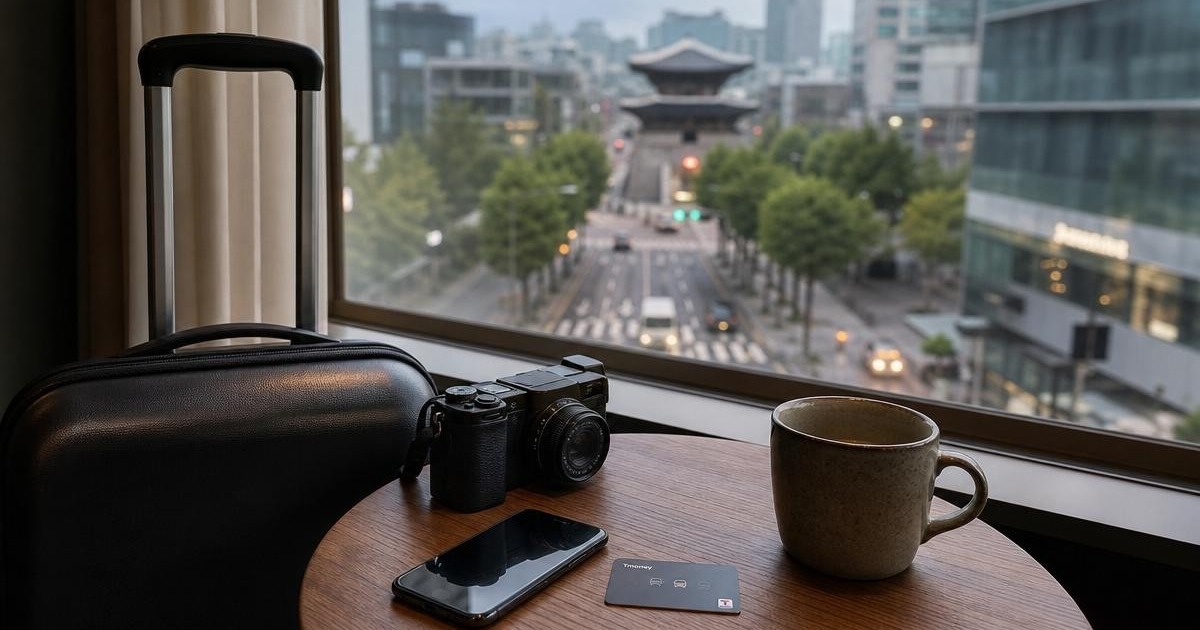
A Korean transport card is one of the first practical tools visitors should understand. It is not glamorous, but it determines how smoothly you move through subway gates, buses, taxis, convenience stores, and transfers. Tmoney, EZL, WOWPASS-linked options, tourist cards, and local passes can all appear in search results. For most first-time visitors, the core question is simple: do you need a stored-value transit card, a pass, or both?
This guide focuses on everyday subway and bus use. Separate articles can compare tourist passes or cash top-up details, but the basics here will help you avoid gate errors, missed transfers, and station confusion.
What a transport card actually does
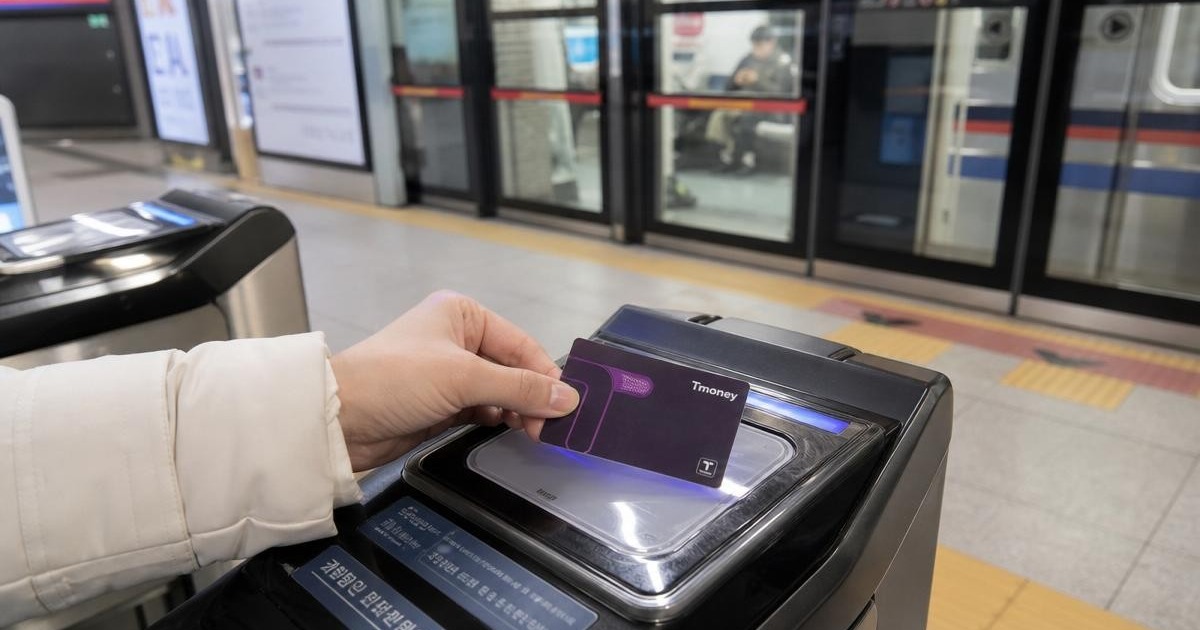
A transport card lets you tap into subway gates and buses without buying a single ticket each time. It also helps with transfer discounts when you use public transportation in the accepted window and tap correctly. VisitKorea lists common options such as Tmoney, EZL, WOWPASS, and Climate Card, but availability, benefits, and refund rules vary. The safest first move is to buy or use a card you understand, top it up enough for the first few days, and avoid overbuying a pass until your route justifies it.
- Stored-value card: flexible for subway, bus, and many taxis.
- Single-journey ticket: useful rarely, but slower for repeated rides.
- Tourist pass: useful only when the included routes match your itinerary.
Where to get and top up
Transportation cards are commonly available at convenience stores and some station machines, and top-up rules can depend on the card type. Some top-ups still require cash or specific payment methods. That is why even card-heavy travelers should keep a small cash buffer, especially during the first two days. If a machine rejects your foreign card, do not panic; try a convenience store or another station machine.
Do not load a huge balance on day one. Start with enough for airport transfer and a few city rides, then learn your pace. Refund processes are possible for some cards but are not always worth the time for a small leftover balance.
Subway basics that save time
Seoul and Busan subway systems are readable once you focus on line, direction, station number, and exit. The exit number is often the most important detail. A destination may be five minutes from Exit 2 and twenty minutes from Exit 9, especially around large stations. Before leaving the platform or concourse, check the exit in your map app or on station signs.
- Tap once when entering and once when exiting.
- Check direction before going through the gate.
- Use line numbers and colors to reduce station-name confusion.
- Look for elevator or escalator routes if you have luggage.
Bus basics for visitors
Buses are powerful but less forgiving than subways. In Seoul, buses generally board at the front and exit at the rear, and Seoul's official public transportation guide notes the tap-on/tap-off flow for transfers. Use a Korea-friendly map app to check the stop, direction, and bus number. At busy stops, several buses can arrive together. Watch the number, not just the color.
When exiting, press the stop button before your stop and move carefully. Tap out if required for transfer and fare calculation. If you miss a stop, do not rush into traffic; wait, get off safely, and reroute.
Transfers and etiquette
The main behavior is simple: tap correctly and keep moving. Do not stand at the gate searching for your card. Step aside before checking your phone. On escalators and platforms, follow local flow. Priority seats should be respected even when the train is crowded. On buses, hold on immediately because drivers may pull away quickly.
When a pass may be better
A pass can be better if it matches your exact travel pattern: many Seoul rides in a short period, included routes you will actually use, or bundled benefits you planned to buy anyway. It is not automatically better because it says tourist. Compare the covered area, airport eligibility, validity period, refund rules, and purchase method. If your itinerary is flexible, a simple stored-value card is usually easier.
First-day setup checklist
- Get a transport card or confirm your card/pass before the first ride.
- Keep some cash for top-up problems.
- Save your hotel station and exact exit.
- Practice one subway transfer before a high-stakes appointment.
- Use buses when the map route is clearly better, not just because they look direct.
Separate transit cards from payment cards
Tmoney solves transit habits. These related guides explain cash top-ups, tourist passes, prepaid visitor cards, and broader payment backup planning.
Use the planning hub for the bigger decision
This page answers a specific travel problem. Use the related hub guide when you need the broader arrival, transport, Seoul, money, or app-planning context.