
The simple setup: bring one physical credit or debit card, keep a second card somewhere else, carry a small amount of Korean won, and use a separate transit card. Most visitors do not need a special prepaid shopping card if their usual card works abroad without high fees.
- Shops and restaurants: start with your foreign card.
- Subways and buses: use Tmoney, a short-term Climate Card, or another suitable transit product.
- Backup: keep Korean won for cash-only top-ups and the occasional terminal that rejects your card.
- Optional: add WOWPASS if you want a Korea-focused prepaid balance or your usual card is unreliable overseas.
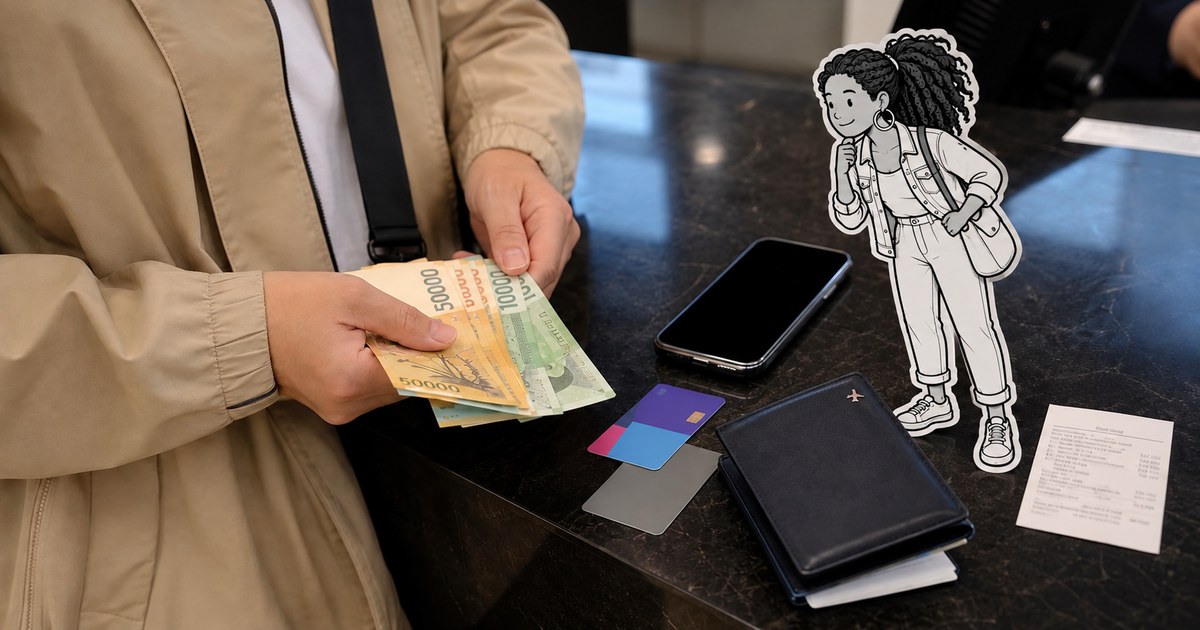
The best payment setup for most visitors
Korea is highly card-friendly. Hotels, convenience stores, department stores, cafes, and most restaurants accept cards, and major international networks are widely used. The part that catches visitors out is transit: a normal foreign credit card still does not replace a transit card at ordinary subway gates and on buses.
For a first trip, use your foreign card for normal purchases, Tmoney or another transit product for public transport, and cash as a small backup. This gives you three independent ways to pay without making the trip harder than it needs to be.
Cards, cash, Tmoney, and WOWPASS compared
| Method | Use it for | Watch out for |
|---|---|---|
| Foreign credit or debit card | Hotels, restaurants, shops, attractions, and larger purchases | Foreign transaction fees and occasional terminal or online-payment rejection |
| Korean won cash | Transit-card top-ups, markets, small vendors, and backup | Exchange and ATM fees; carrying more than you need |
| Tmoney | Subways, buses, compatible taxis, and some affiliated shops | Standard physical cards are most reliably topped up with cash |
| Short-term Climate Card | Unlimited travel within its covered Seoul network during the selected period | Coverage and duration matter; it is not automatically cheaper for a light itinerary |
| WOWPASS | Prepaid shopping balance, visitor-focused app tools, and a Tmoney function on one physical card | The shopping balance and transit function follow different rules |
Use a foreign card for most purchases
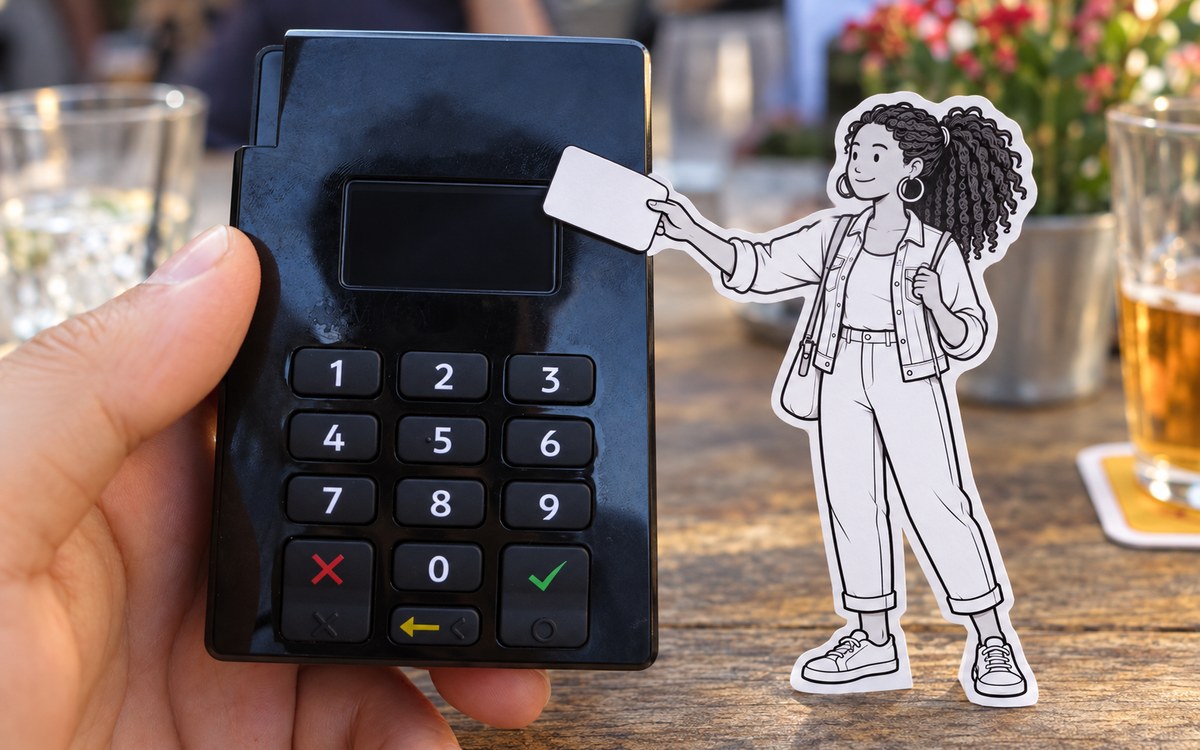
A physical Visa or Mastercard is the easiest starting point for most visitors. Bring the card itself even if it is already in your phone wallet, and know its PIN. If possible, pack a second card from another bank or network and store it separately.
Check your bank's foreign transaction fee before leaving home. When a terminal offers to charge you in your home currency, the Korean won option usually lets your own card network handle the conversion. Compare the rate on screen if you are unsure.
A card can still fail even when the merchant accepts the logo. Try inserting the chip if contactless payment fails. If that does not work, use your backup card or cash instead of repeatedly attempting the same transaction.
How much cash should you carry?
You do not need to fund the whole trip in cash. Carry enough Korean won for your first transit-card top-up, a few small purchases, and one backup journey. The amount depends on your group and itinerary, but arriving with no cash at all creates avoidable problems.
You can exchange money at banks and authorized exchange counters or withdraw won from an ATM that supports overseas cards. Your home bank may charge a withdrawal fee, the Korean ATM may add its own fee, and a credit-card withdrawal may be treated as a costly cash advance. Check those terms before you travel.
If you land late or tired, getting a modest first-day amount at the airport is reasonable. You can compare rates later without delaying your trip over a small difference.
Tmoney: the straightforward transit option
A physical Tmoney card works on subways and buses nationwide and at compatible taxis and participating merchants. Buy the card, add Korean won, then tap as required when entering and leaving the system.
For a standard physical Tmoney card, cash remains the most dependable top-up method at convenience stores and many station machines. Some newer machines and specific products accept other methods, but do not assume that any foreign card can recharge any Tmoney card.
Tmoney's current visitor range includes the KRW 4,000 Tmoney Travel Card and the KRW 6,000 Travel Card+. The latter adds WOWPASS payment functions. Product availability can vary by store, so choose based on the function you need rather than the name printed on the card.
For the full setup, read Tmoney, subway, and bus basics. If cash top-up is your main concern, use the Tmoney top-up reality check.
Can you buy transit tickets with a foreign card?
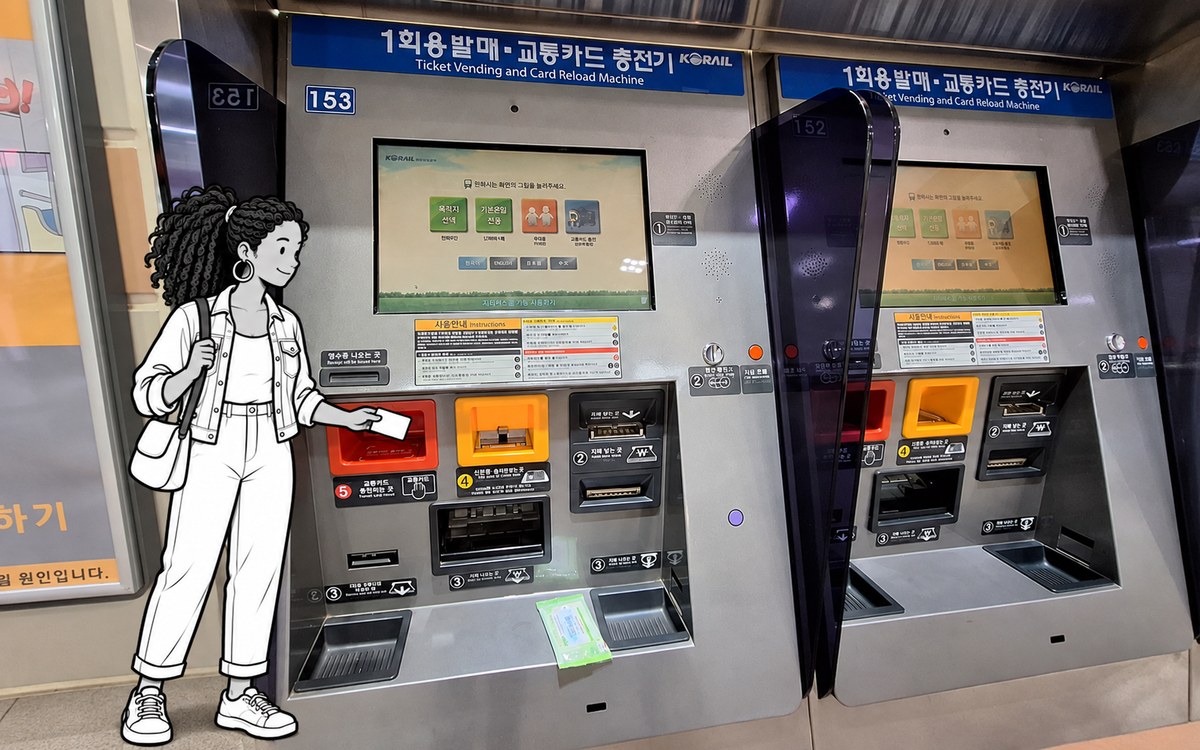
In Seoul, the answer now depends on what you are buying. Since 17 March 2026, 440 new machines at 273 stations on Lines 1–8 have accepted internationally issued cards and supported mobile payments for short-term Climate Cards and single-journey tickets.
That change does not mean every station machine accepts foreign cards for every type of Tmoney top-up. If you want a regular stored-value Tmoney card, plan on cash unless the exact machine or product says otherwise.
A short-term Climate Card can make sense if you will take many covered trips in Seoul during a fixed period. Check the current coverage before buying it, especially if your plans include the airport or travel outside Seoul.
When WOWPASS is useful
WOWPASS is a prepaid visitor card with app-based balance management and a Tmoney transportation function. It is most useful when your usual card charges high overseas fees, has failed on previous trips, or you want to separate your travel budget from your main account.
The card currently supports balance top-up through international cards, e-wallets, or cash, according to WOWPASS. It also advertises Korean won withdrawals at its machines, with a maximum of KRW 100,000 per withdrawal and a KRW 1,000 fee.
Do not treat the payment balance and transit function as one interchangeable pot of money. Check both before travelling. A foreign card is still useful for hotel deposits, online bookings, and emergencies.
If your existing travel card has low fees and works reliably overseas, you can usually skip WOWPASS. For a direct comparison, see WOWPASS vs Tmoney vs credit card.
Tax refunds: what shoppers need to know
Tax refunds apply only to eligible purchases at participating stores. The current VisitKorea guidance starts eligibility at KRW 15,000. For an immediate refund at checkout, a single payment must be under KRW 1,000,000 and total eligible spending during the trip must not exceed KRW 5,000,000.
Bring your passport when you expect to request a refund and keep the purchase unused until you understand whether customs inspection is required. Store, downtown, airport, and mobile refund procedures differ, so follow the instructions on your refund document and leave enough time before departure.
Five payment mistakes to avoid
- Bringing one card only. A bank block or damaged card should not stop the trip.
- Assuming a foreign card works at every transit machine. The 2026 Seoul rollout covers specific tickets and passes.
- Confusing shopping and transit balances. Combined tourist cards may keep them separate.
- Withdrawing cash on a credit card without checking the fee. It may count as a cash advance.
- Buying every tourist card at the airport. Start with the simplest setup and add another product only if it solves a real problem.
A five-minute arrival setup
- Get enough Korean won for the first day.
- Choose one transit product based on your actual route.
- Keep your main card in your wallet and your backup elsewhere.
- Make one small card payment before leaving the airport area if you want to confirm the card works.
- Save your bank's international support number somewhere other than the card itself.
For an airport-specific checklist, read where to buy a transport card, SIM, eSIM, and cash at Incheon Airport.
FAQ
Can I travel in Korea without cash?
You can pay for many purchases by card, but carrying some Korean won is still the safer choice. Standard transit-card top-ups and some small merchants remain the most common reasons visitors need cash.
Can I use Apple Pay or Google Pay everywhere?
No. Mobile-wallet acceptance depends on your device, card issuer, wallet, and the merchant's terminal. Carry the physical card.
Is WOWPASS better than Tmoney?
They solve different problems. Tmoney is primarily a transit card. WOWPASS adds a prepaid shopping balance and app tools while also providing a Tmoney function. Many visitors need only Tmoney plus their usual bank card.
Should I exchange money before flying?
It is optional. Arriving with a small amount of won is convenient, but airport exchange counters and compatible ATMs can also cover your first-day cash needs. Compare your bank and exchange fees before choosing.
Sources
- VisitKorea: Korean Currency & Exchange Info — Checked 2026-09-21 for card acceptance and authorized exchange guidance. Next review: 2026-11-20.
- VisitKorea: Duty Free & Tax Refunds — Checked 2026-09-21 for eligibility and immediate-refund thresholds. Next review: 2026-11-20.
- Tmoney: Travel Card products — Checked 2026-09-21 for current products, prices, and advertised functions. Next review: 2026-11-20.
- Tmoney: foreign-traveler top-up guide — Checked 2026-09-21 for physical-card use and cash top-up guidance. Next review: 2026-11-20.
- Seoul Metropolitan Government: international-card ticket machines — Checked 2026-09-21 for the 17 March 2026 rollout and its scope. Next review: 2026-11-20.
- WOWPASS official guide — Checked 2026-09-21 for top-up, withdrawal, and transit-function descriptions. Next review: 2026-11-20.
Cover photograph: AI-generated original by Korea Travel 101; illustrated figure added by Korea Travel 101. Card terminal photograph by Alper Çuğun (CC BY 2.0) via Wikimedia Commons; illustrated figure added by Korea Travel 101. Seoul ticket vending and card reload machine photograph by LandAndTree (CC BY 4.0) via Wikimedia Commons; illustrated figure added by Korea Travel 101.


